Blog
Image


This past June, I had the exciting opportunity to travel to South Korea through the Paul Meyer and Debbie Rogers Extraordinary Experience Endowment, which supports transformative international learning experiences for Morris Arboretum & Gardens staff. Although I had never visited Korea before, the trip quickly became one of the most memorable journeys of my career. What began as a long-anticipated‑anticipated adventure soon unfolded into an inspiring look at global horticulture, educational collaboration, and the deep cultural value Korea places on green spaces.
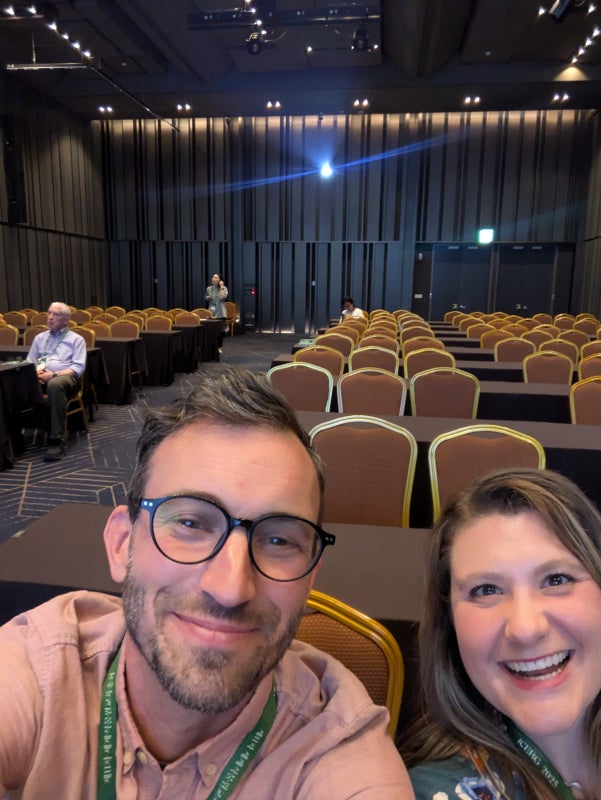
The first week of my trip centered around the Botanical Gardens Conservation International (BGCI) Education Conference in Seoul, a gathering that only occurs once every few years and attracts garden educators from every continent. The experience was unlike any conference I had attended in the United States—sessions were introduced with more theatrical flair than I’m accustomed to, with walk‑up music, enthusiastic MCs, cameras, lights, video and camera crews, and an energy that transformed educational presentations into celebratory moments. Beneath the spectacle, though, was a clear shared mission: to ignite public appreciation for plants, landscapes, and the natural world.
I had the pleasure of co-presenting with Education Programs Manager Mackenzie Knight-Fochs of Scott Arboretum & Gardens at Swarthmore College, highlighting the collaborative conferences and educational initiatives we develop across the Philadelphia region’s rich network of public gardens annually. Sharing our work in an international setting opened new conversations about how gardens worldwide engage communities, design programming, and adapt interpretation for diverse audiences.
The second week of the trip surprised me in entirely different ways. After discovering, at the rental counter, that I lacked the necessary international driver’s permit, my carefully planned six-day driving itinerary unraveled. With a bit of scrambling, I pivoted to Korea’s extensive train system and adjusted my visits accordingly. In the end, that hiccup became a part of the adventure, leading to meaningful encounters and moments I would have certainly missed if I were in a rental car in the countryside
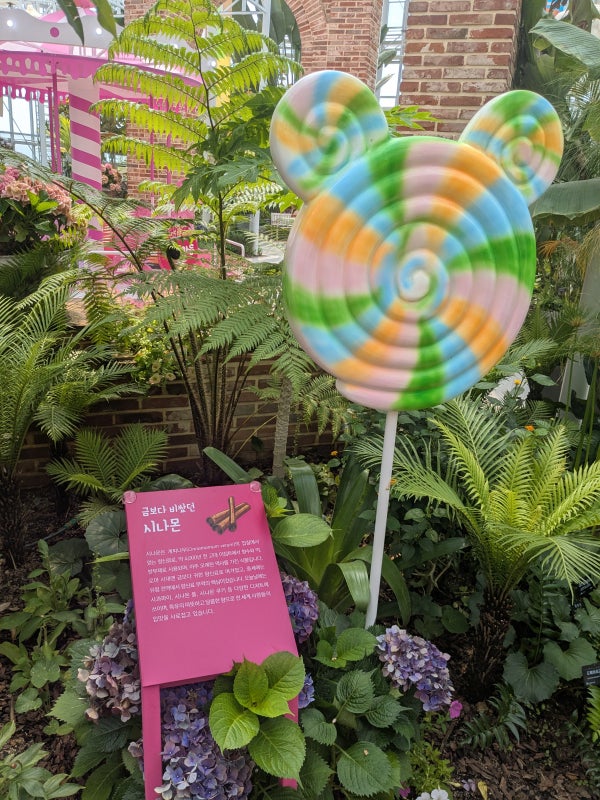
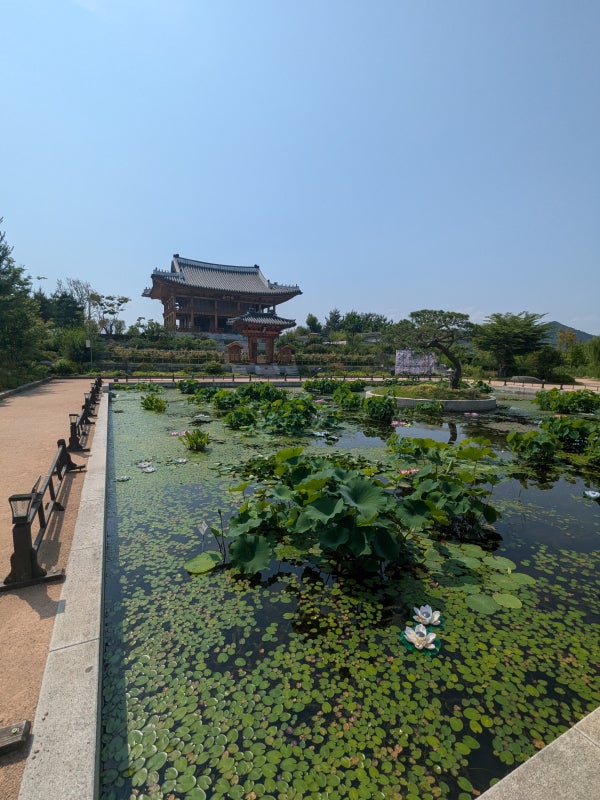
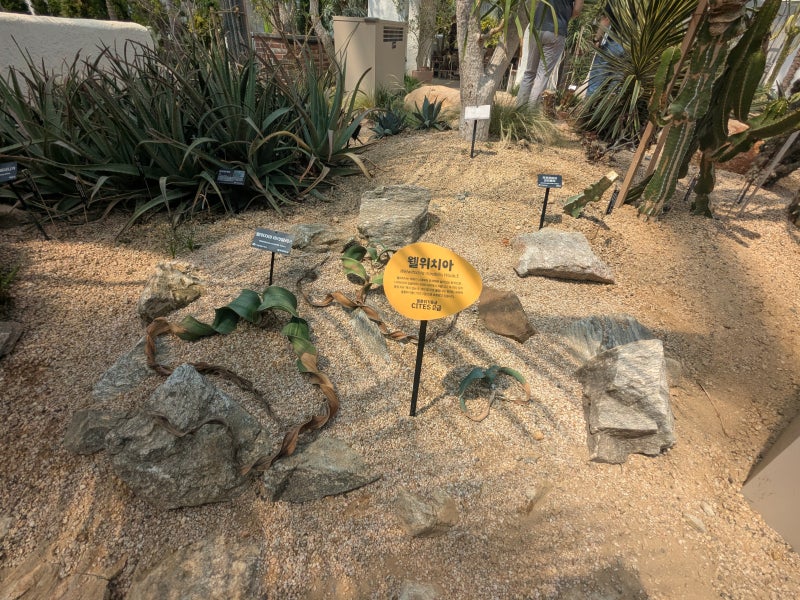
One highlight was visiting the Sejong National Arboretum with a former graduate-school colleague, Wonsoon Park, now working in Korea’s botanic garden sector. Founded in 2007, Sejong is astonishingly young and has transformed former agricultural land into a city of high-rise buildings, robust road networks, and a vibrant garden displaying plant collections from around the world. Walking into the conservatory I was greeted by oversized sweets like fruit and macaroons alongside the plants these sweets came from. On my tour I met Korean staff who had previously completed cross-cultural training at the Morris who now work at the Arboretum made the visit feel like reconnecting with extended family.
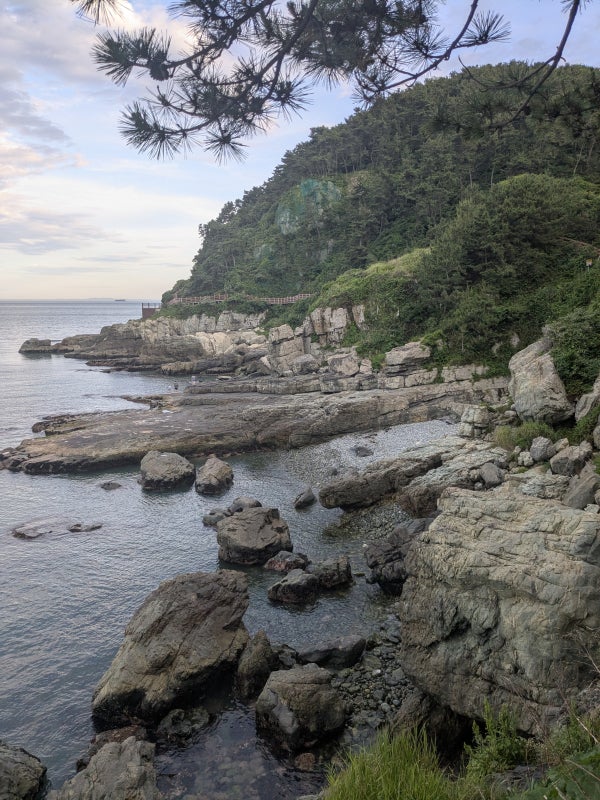
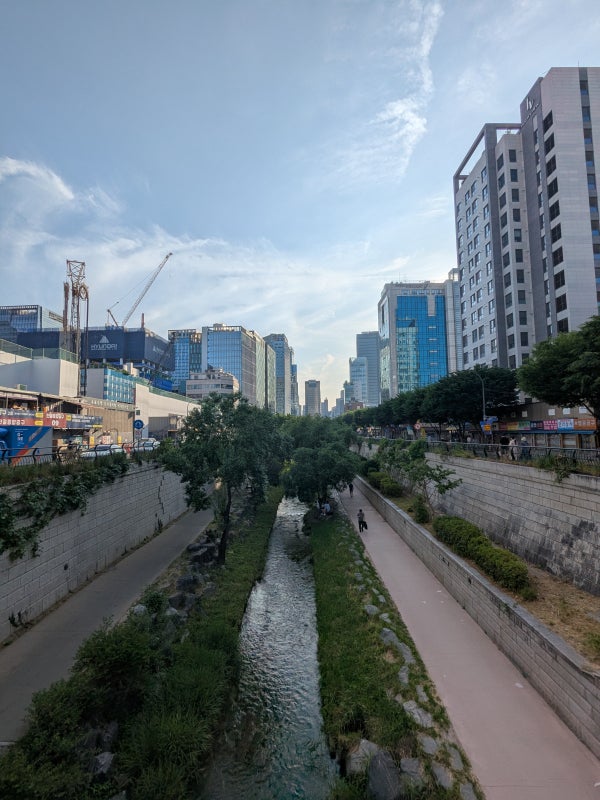
Traveling through other gardens across South Korea revealed a landscape both familiar and distinct. Many plants echoed those found in Philadelphia’s public gardens collections, underscoring long-established‑established horticultural ties between East Asia and North America. The hot and humid summer climate oddly felt just like home. Yet what impressed me most was the meticulous care given to street trees, public spaces, and national arboretum collections. Following decades of reforestation efforts, the country maintains an extraordinary level of attention to its trees and green infrastructure, reflecting a nationwide commitment to ecological restoration and stewardship.
The trip left me energized and deeply inspired. Seeing gardens through a different cultural context widened my perspective on education, interpretation, and public engagement. Korea’s horticultural community welcomed me with warmth, openness, and a shared desire for ongoing collaboration. I returned with new partnerships, new ideas, and renewed excitement for the global work of gardens.