Blog
Image


Walk along the path near the Two Lines sculpture at the top of the hill at Morris Arboretum & Gardens and you will see an interpretive sign with a photograph of a group of men in white lab coats. One of those men is a young University of Pennsylvania botany student, Alfred Lisi.
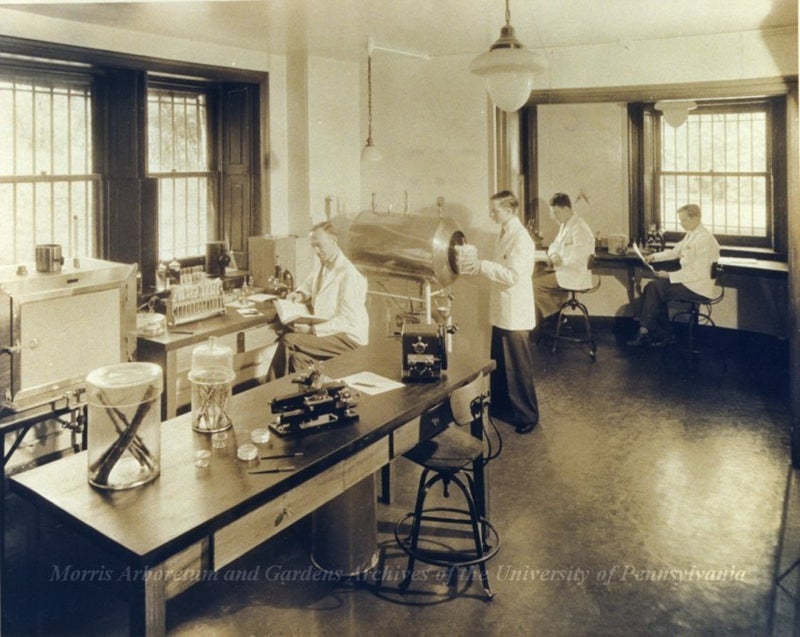
Lisi was a researcher studying mycology in 1933 when the photograph featuring him—his hair neatly combed, his gloved hands placing tools into an autoclave—was taken in the kitchen of the Compton mansion, which was then used as a lab. He met his future wife, Flora Fender, at Penn while she, too, was studying botany. They traveled together as students in the Morris Arboretum bus to collect plants, and their connection with the Morris continued for decades.
In the 1950s, Alfred and Flora would travel to the Morris with their three young children from their home in Brewerytown. Louise and her sister Carol played under the weeping European beech, and their brother George reveled in running through the gardens. Louise, a retired pediatrician, remembers performing plays with her sister on the steps inside the Compton mansion.
In 1999, the family celebrated Alfred and Flora’s 60th wedding anniversary with a picnic in the gardens.
“He loved coming here,” Louise said of her father. “He would talk about how wonderful the Morris Arboretum was.”
A FAMILY LEGACY
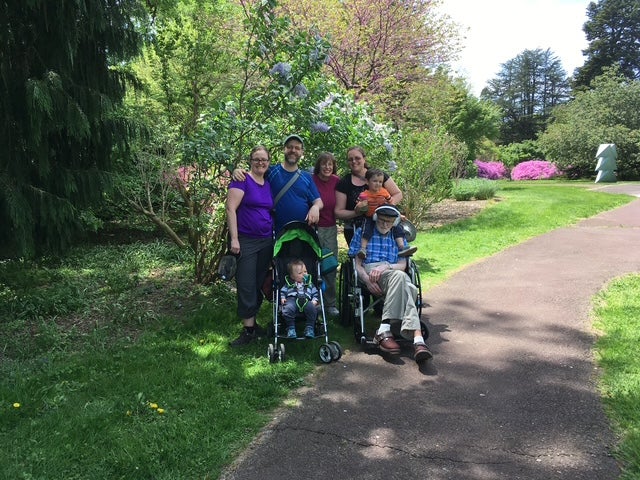
That love for the Morris continued with Louise and her husband, Rev. Burton “Burt” Froom, who often brought their daughters, Elizabeth and Rebecca. When their three grandchildren were born, Burt and Louise introduced them to the Morris as babies. In later years, the couple walked the paths for exercise.
“It feels like home,” she said. “It's such a part of my being, and I do very specifically come here to relax a lot of times.” She can be seen once or twice a week traversing the paths with her walking poles. Last summer Louise celebrated her 80th birthday in the gardens with her family.
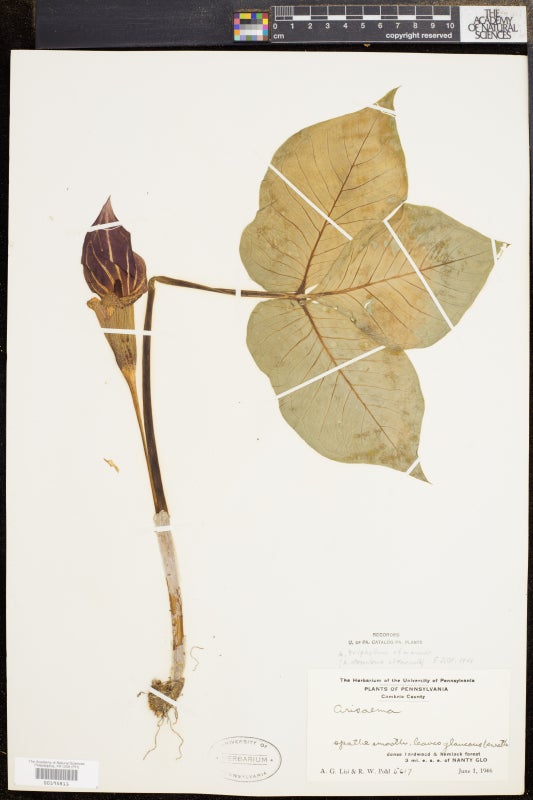
Louise’s lifelong love of the Morris inspired her to donate to the new Plant Science Lab. During a tour of the lab last fall, she was delighted when a digital slide of an Arisaema triphyllum (Jack-in-the-pulpit) was shown to invited guests. It was a specimen that had been collected by her father near Nanty Glo, Pa., in 1946.
“We’ve got this history of research here, and to have an up-to-date molecular biology lab is great,” Louise said. “That’s very exciting. It carries on my parents’ legacy.”